 listicle
Best Women's Winter Outerwear Brands 2026
Last Updated: November 2, 2026
Quick Summary
The best women's winter outerwear brands for 2026 are Columbia, The North Face, Marmot, and Salomon, which deliver waterproof-breathable shells, taped seams, and reliable insulation in the $150-$250 mid-tier. Match your winter outerwear to your actual conditions: waterproof shells for wet snow, warmer non-waterproof jackets for dry cold.
- Our top ski pick is the Columbia Whirlibird 3-in-1 at $244.68 with a waterproof-breathable Omni-Tech shell.
- The Salomon Fantasy ski jacket at $295.30 has fully taped seams and a removable powder skirt.
- The North Face Ventrix Hoodie at $244.68 uses air-permeable synthetic fill with laser-cut perforations.
- Entry-tier jackets under $150 offer warmth but limited weather protection for city wear.
- Most major outdoor brands warranty shells for the product's life or a multi-year window.
Table of Contents
- How We Chose the Best Women's Winter Outerwear Brands for 2026
- Top Picks: Best Women's Ski Jackets for Mountain Days
- Women's Down Jackets and Down-Alternative Options That Trap Heat
- Waterproof Winter Jackets for Women: What Actually Keeps You Dry
- Long Parkas and Everyday Coats for Cold City Winters
- Women's Winter Jacket Buying Guide: Price Tiers and What You Get
- Fit, Sizing, and Layering: Getting the Right Silhouette
- Build Your Winter Layering System at ABsnowlife
- Frequently Asked Questions
How We Chose the Best Women's Winter Outerwear Brands for 2026
Finding the best women's winter outerwear brands in 2026 starts with one rule: match the jacket to the conditions, not the marketing.
Testing language dominates this category for good reason. GearJunkie's women's winter jacket testing reports evaluating 14 jackets, including long parkas and affordable picks, while OutdoorGearLab's ski jacket testing worked through 36 ski jackets across major brands. That volume tells you something useful: the differences between jackets are real, and they show up in the details.
What Separates a Good Winter Jacket from a Great One
A great winter jacket is one where insulation, shell, and fit work as a single system. Good jackets check one box well; great jackets handle the trade-offs.
Here is what we weigh most heavily:
- Insulation type and loft. Down traps heat per gram better than most synthetics, but synthetic keeps working when damp. Fill power and loft tell you how much warmth you get per unit of weight.
- Weather protection. Waterproofing and water resistance differ. A fully taped, waterproof-breathable shell handles wet snow; a water-resistant soft shell handles wind and light flurries.
- Seam construction and storm flaps. Taped seams and a proper storm flap behind the zipper stop cold air and meltwater from finding the gaps.
One contrarian point worth stating plainly: a waterproof jacket is not automatically the better winter coat. BetterTrail's winter jacket guide notes that in cold, dry winters a warmer non-waterproof jacket can beat a waterproof option, because you are trading breathability and warmth for rain protection you may not need.
Top Picks: Best Women's Ski Jackets for Mountain Days
For lift-served skiing and cold resort days, the best women's ski jackets combine a waterproof-breathable shell, taped seams, and enough insulation to stay warm on the ride up. Our top pick is the Columbia Omni-Tech Women's Whirlibird 3 Interchange 3-in-1 Insulated Ski Jacket at $244.68: a waterproof-breathable Omni-Tech shell and an Omni-Heat thermal reflective liner, which zip in together as a three-point interchange system.

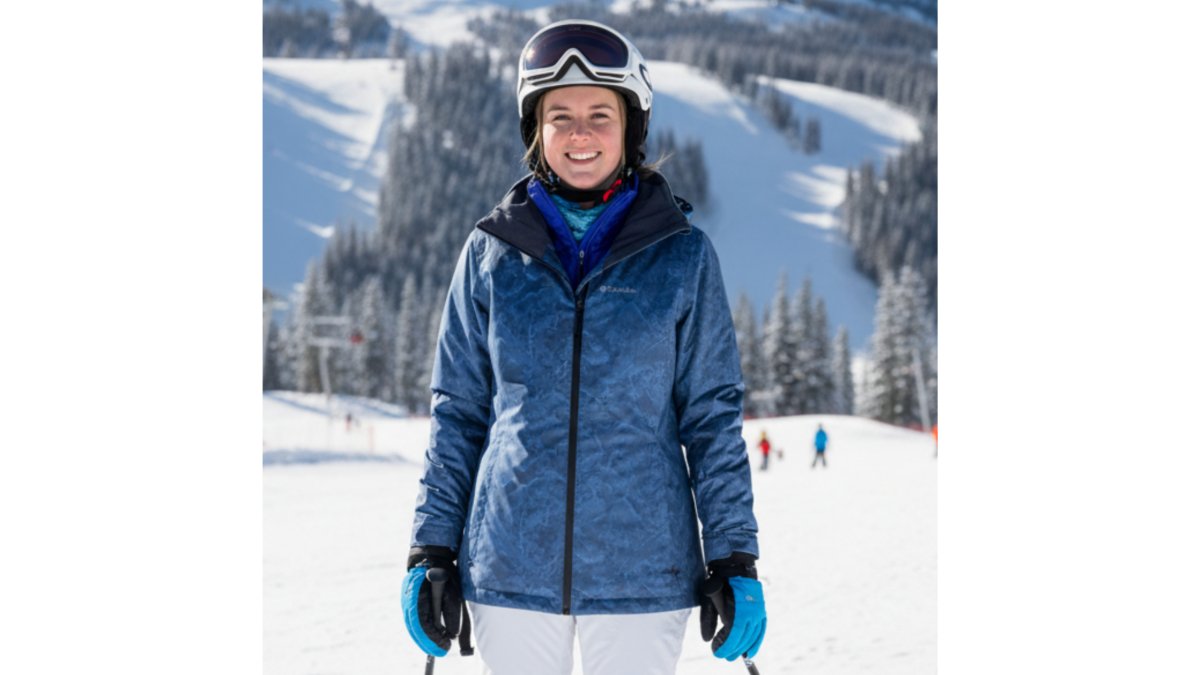
Best for: resort skiers who want one jacket to cover cold mornings and warm afternoons. Skip if: you run hot and mostly ski in spring conditions, where a shell alone is lighter.
Women's Down Jackets and Down-Alternative Options That Trap Heat
Down jackets win on warmth-to-weight ratio, but the best women's down jackets aren't right for every trip. Down loses loft when wet; synthetic keeps trapping heat when damp, so if you ski hard or sweat on the climb, synthetic often serves you better.
The North Face Women's Ventrix Hoodie at $244.68 shows how far synthetic has come. For a heated option, the ANTARCTICA GEAR Lightweight Heating Jacket at $166.42 uses carbon fiber heating elements across the front, arm and back areas, with three heat levels and a power bank.

Best for: deep cold and low-output days, where maximum thermal retention matters most. Skip if: you expect wet snow all day and want zero risk of a soaked, flat jacket.
Waterproof Winter Jackets for Women: What Actually Keeps You Dry
What actually keeps you dry is a waterproof-breathable membrane combined with fully taped seams and a storm flap, not a "water-resistant" label alone.
The Salomon Fantasy earns its place with a 2-layer polyester twill waterproof-breathable laminate, fully taped seams, and wicking interior cuffs that protect against migrating snow.
Watch out: a waterproof shell with no venting turns into a sauna on a hard climb, and damp base layers chill you fast at the summit.
Long Parkas and Everyday Coats for Cold City Winters
Long parkas and everyday coats need to block wind on the walk to the train, cover the thighs, and look presentable. The Women's Extreme Cold Puffer Coat at $138.12 brings a long silhouette, 100% polyester insulation, a two-way zipper for adjustable ventilation, and side snap openings for ease of movement.
For a dressier city coat, the OLDTRIBES long wool coat at $185.00 uses 82% pure virgin wool and 18% cotton with a shawl collar and an approximate 47-inch back length.
Best for: commuters and everyday wear who want coverage and warmth without a technical look. Skip if: you face heavy wet snow daily, where a waterproof shell serves you better.
Women's Winter Jacket Buying Guide: Price Tiers and What You Get
A women's winter jacket buying guide comes down to three price tiers, and the jump between them buys specific things. Knowing what each tier delivers stops you overpaying for features you won't use.
Salomon Women's Fantasy Waterproof Insulated Ski Jackets →
| Price Tier | Typical Range (CAD) | What You Get | Brands That Deliver Here | Best For |
|---|---|---|---|---|
| Entry | Under $150 | Basic synthetic insulation, water-resistant shell, simple hood | Columbia's lower lines, house and marketplace brands | City wear, light cold |
| Mid | $150-$250 | Waterproof-breathable shells, taped seams, better insulation | Columbia, The North Face, Marmot, Salomon | Resort skiing, everyday winter |
| Premium | $250+ | Fully taped waterproof shells, refined insulation, powder skirts | Salomon's technical lines, Marmot's alpine lines, premium down specialists | Serious mountain use |
Above $250 you are paying for construction and weatherproofing that only matters if you actually ski or ride in wet, cold conditions. Below $150, expect warmth but not much weather protection.
Total Cost of Ownership, Not Just Sticker Price
The sticker price is only the first number. Three factors drive that math:
- Construction lifespan. Fully taped seams, storm flaps, and quality zippers fail last. A critically seam-sealed shell like the Columbia Omni-Tech generally outlasts a water-resistant fashion coat by several seasons of daily wear.
- Warranty coverage. Most major outdoor brands back shells and insulation for the product's life or a defined multi-year window; fashion and marketplace brands typically offer 30 to 90 days.
- Repairability. Zipper replacement, seam re-taping, and patch kits are routine for technical brands and often impossible for bonded fashion construction.
The premium tier pays for itself only if you ski or commute daily in wet cold. For occasional city wear, the mid tier is the rational buy.
Match the Tier to Your Winter, Not the Marketing
Price tiers map onto climate better than any single ranking can:
- Wet, coastal winters with heavy snow and freeze-thaw: prioritize the mid-to-premium tier for a waterproof-breathable membrane and fully taped seams. A water-resistant entry coat will soak through on a slushy commute.
- Dry, cold interior winters: a warmer non-waterproof jacket often beats a waterproof one, because you trade breathability and warmth for rain protection you may not need. Entry and mid tiers can serve here if insulation is substantial.
- Windy, milder winters: wind resistance matters more than insulation depth. A soft shell or lightly insulated mid-tier jacket is enough; premium alpine shells are overkill.
Watch out: a premium price does not guarantee premium performance. A $300+ coat with glued seams and no warranty can underperform a $180 jacket with taped seams and a real repair program. Read the construction spec, not the price tag.
Fit, Sizing, and Layering: Getting the Right Silhouette
Getting the right silhouette starts with layering, not jacket size alone. A winter layering system runs base layer, mid layer, then shell, and each layer needs room to trap air without compressing the insulation underneath.
Add a mid layer such as the Mountain Hardwear Women's Fairing Windproof Soft-Shell at $146.24, which cuts wind with AirShield technology and works as a standalone in milder weather. Complete the system with a thermal base layer top that fits close without compressing the insulation.
Size Ranges and Fit Inclusivity by Brand
Fit inclusivity is where most winter outerwear roundups stop at a sentence. This guide compares size ranges directly, because a brand that tops out at XL is not the same recommendation as one that stocks XXL and extended sizes.
- Columbia: the broadest mainstream range here. Most women's jackets run XS through XXL, with plus sizing in select styles. The Whirlibird 3-in-1 is cut roomy through the body to accommodate the zip-in liner, so most shoppers can size true to measurements.
- The North Face: typically XS through XXL, with a dedicated plus line in core styles. The Ventrix Hoodie runs trim through the chest and shoulders; if you layer a fleece underneath, size up one.
- Marmot: XS through XL in most women's styles, with plus availability limited to select models. The Variant Hybrid is an athletic cut built for movement, so it fits close by design, check the size chart rather than assuming your usual size.
Petite, Tall, and Plus Guidance
- Petite: look for brands that publish a short or petite option, or choose styles with a two-way zipper and adjustable hem so a longer parka doesn't swallow your stride.
- Tall: sleeve length is the usual failure point. Check the published sleeve measurement rather than the size label, and favor adjustable cuffs so a slightly short sleeve still seals at the wrist.
- Plus: confirm the brand stocks your size in the specific style, not just the line. Extended sizing is often limited to a few colorways and models, and the fit through the hip and upper arm is where plus cuts differ most.
Tuning the Fit After You Buy
A hem drawcord cinches out drafts on a windy commute; a removable hood lets a helmet-compatible ski shell double as a city coat.
Watch out: sizing up to fit a mid layer can leave the shoulders and sleeves too long, which lets cold air in at the cuffs and hem. If you plan to layer heavily, look for a style cut with extra room through the body rather than going up a full size.
Build Your Winter Layering System at ABsnowlife
Building a full layering system is easier when the pieces are curated for real winter conditions rather than dumped into an endless catalog.
Round out your kit with a shell, mid layer, and base layer chosen for your coldest days. If you are building from scratch, start with the shell and work inward.
Frequently Asked Questions
What are the best women's winter outerwear brands for 2026?
Strong options in 2026 include well-known outdoor brands. Salomon builds waterproof ski shells with fully taped seams, Columbia's 3-in-1 interchange system gives you three jackets in one, and Mountain Hardwear's AirShield softshell handles wind without bulk. For deep cold, the C'est Elle extreme cold puffer is rated by its supplier to -35°C. Match the jacket to your activity and climate rather than chasing a single winner.
Are down or synthetic winter jackets warmer?
Down insulation delivers more warmth per gram and packs smaller, which suits dry cold and ski touring. Synthetic insulation keeps working when damp and dries faster, so it suits wet snow, high-output activities, and everyday wear. The North Face Ventrix Hoodie uses synthetic fill that vents heat during climbs, while PrimaLoft Black Eco in the Marmot Variant Hybrid targets core warmth. Choose based on your weather and sweat level, not just temperature ratings.
How should a women's winter jacket fit over layers?
You want room for a base layer and a mid-layer without the shell feeling tight across the shoulders or chest. Check that the hem covers your hips when you reach overhead, and that cuffs adjust to seal out snow. A slim mid-layer like the Ventrix Hoodie fits under a shell, while a regular-fit softshell works as a standalone. Women's-specific patterns account for shoulder width and torso length, so sizing up in a men's cut rarely fits as well.
What should I look for in waterproof winter jackets for women?
Look for a waterproof-breathable laminate, fully taped seams, and a storm flap over the main zipper. The Salomon Fantasy uses a 2-layer polyester laminate with fully taped seams and a removable powder skirt, which matters for ski days. Adjustable cuffs and a drawcord hem add weather protection. Breathability matters too, since trapped sweat makes you colder than snow does.
What is the difference between a parka and an insulated jacket?
A parka is longer, usually hip-to-thigh or below, and built for standing around in cold. An insulated jacket is shorter and often lighter, designed for movement and layering. The C'est Elle extreme cold puffer is a long parka suited to city walks and cold commutes, while the Marmot Variant Hybrid is a short touring layer. Pick a parka for warmth at low activity and an insulated jacket for skiing, hiking, or active commuting.
The hardest part of winter gear is matching the jacket to the conditions you actually face, not the ones in an ad. ABsnowlife curates outerwear for mountain slopes and local trails alike, with a Canadian outlook on winter and a collection organized to make gear discovery simple. Get started with ABsnowlife and build a layering system that keeps you warm from the first chair to the last walk home.